Septic tank pumping companies · Rusk County
Listings last refreshed October 16, 2026
Best Septic Tank Pumping in Tatum [2026 Update]
1 septic tank pumping company in Tatum, ranked by Pump Score using Google reviews and profile data.
✓ How we rankFree directory, no pay-to-rank
Anyone searching for septic tank pumping Tatum TX service is usually dealing with one of three things: a routine pump that is due, slow drains that suggest a full tank, or a backup that needs attention today. Tatum sits in Rusk County in East Texas, and this directory lists one company in town. This page covers how pumping works, what it typically costs in Texas, when to book, and what to ask before you call.
Top Rated Septic Tank Pumping Companies in Tatum Compared
Compare the top picks side by side. Full write-ups follow below.
| # | Septic Company | Best for | Score | Rating | Verified |
|---|---|---|---|---|---|
| #1 | Pump Down Specialist, L.L.C | Weekend bookings, open Saturday and Sunday | 3.5 | 6 reviews | — |
Tatum Septic Tank Pumping Reviews and Ratings
1. Pump Down Specialist, L.L.C
Best for: Weekend bookings, open Saturday and Sunday
6664 Tx Hwy 1496 reviews
Score breakdown and details
- Location
- Tatum · 6664 Tx Hwy 149, Tatum, TX 75691
- Track record
- New or lightly reviewed
- Rating
- 6 Google reviews
- Profile
- Unclaimed listing (Google data)
- Today
- See hours on profile
Strengths
- Direct phone number published, no lead form in the way
- Opening hours published
- Open on Saturdays
Watch Out For
Only 6 reviews so far, so the rating could still move. Worth asking about experience.
Our take: Our top pick in this area. A Pump Score of 3.5/10 reflects the best combination of rating, review depth and profile completeness here.
Hiring Local Septic Tank Pumping in Tatum
Pumping is simpler to understand than most septic work. A vacuum truck removes the sludge and scum that have built up in the tank, and the crew checks the tank for cracks, baffle wear, and an outlet that is clear. Most household tanks need pumping every three to five years, but the right schedule depends on tank size, how many people live in the home, how much water goes down the drain, and whether a garbage disposal is in use. Skipping pumping does not stop the buildup. It only lets solids move toward the drain field, where repairs cost far more than a routine visit.
What Septic Tank Pumping Involves in Rusk County Homes
A septic tank is a buried, watertight container that holds wastewater long enough for solids to settle to the bottom and grease to float to the top. Bacteria break down some of the material, but sludge and scum still accumulate over the years. Pumping means a truck with a vacuum hose removes the contents of the tank, and the crew then checks the tank for cracks, baffle damage, and a clear outlet to the drain field.
The technician usually needs to reach the access lid first. Some homes have risers that bring the lid up to ground level, while others have lids buried under soil or grass, which may need to be located and uncovered before work can start. A good visit ends with the crew telling you the approximate sludge level and any repairs that need attention. Ask for that information in writing so you have a record for your next service.
Warning Signs Your Tank Is Full Before It Backs Up
A full tank rarely fails all at once. It usually gives warnings over days or weeks. Any one of these signs can have another cause, but several together point to a tank that needs pumping or a drain field that is already clogged.
- Toilets and drains run slowly across the whole house, not just in one fixture.
- Gurgling pipes or a sewage smell near the tank or the drain field.
- Wet, soggy, or unusually green patches over the drain field, even in dry weather.
- Sewage backing up into tubs, showers, or floor drains.
- Grass growing noticeably faster over the drain field than the rest of the yard.
How to Prepare for a Pump Visit in Tatum
A few simple steps can make the visit faster and keep the cost predictable. Most of the preparation is about access and information.
- Find the lidIf you do not know where the tank is, check your property records, any septic diagram from when the system was installed, or ask the crew to locate it. Uncovering a buried lid is often a separate charge.
- Clear the areaMove vehicles, pets, and yard furniture away from the lid and any risers. Trim landscaping that blocks the crew from reaching the access point.
- Know your tank sizeFind the tank size in gallons, usually printed on an installation permit or a previous service receipt. The size affects the time and the price of the job.
- Ask about the outlet and filterAsk whether the crew will check the baffles, the outlet, and any effluent filter. A filter that is clogged can send solids toward the drain field even after the tank is pumped.
Conventional Tanks Versus Aerobic Systems
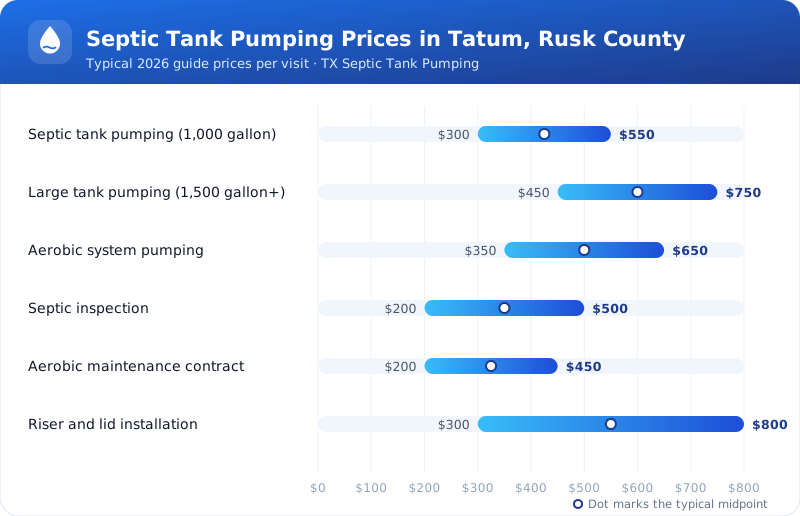
Many homes in rural Texas have a conventional septic tank that settles solids and sends liquid to a drain field. Others have an aerobic treatment unit, which adds air to speed up breakdown and usually needs a maintenance contract. The two systems have different service needs and different price ranges, so know which one you have before you call.
| System | What It Needs | Guide Cost Range (USD, Texas 2026) |
|---|---|---|
| Conventional septic tank | Pumping every three to five years, inspection, and a healthy drain field | Pumping a 1,000 gallon tank: $300 to $550 |
| Aerobic treatment unit | Routine maintenance under a yearly contract, plus periodic pumping | Aerobic system pumping: $350 to $650, maintenance contract: $200 to $450 per year |
How Often to Pump and the Twenty Year Question
Pumping on a schedule is the cheapest way to protect the drain field. A tank that is pumped regularly rarely reaches the point where solids flow out and clog the soil around the drain lines.
Can a Septic Tank Go 20 Years Without Pumping?
Widely accepted guidance for household tanks is pumping every three to five years. A tank can sometimes go longer with light use, a large tank, and a small household, but waiting twenty years is a gamble. When solids build up past the outlet, they can damage the drain field, and the repair is far more expensive than a routine pump. Have the tank inspected even if it seems fine.
Factors That Shorten the Interval
A larger family, a garbage disposal, frequent laundry, and a home with a guest house or workshop all send more water and solids to the tank. Each one can move the pumping schedule closer to three years. A smaller tank with heavy use may need attention sooner than the typical range.
Installing a New System and the Cheapest Option
People often ask how a septic tank is installed and which system is cheapest. The lowest upfront cost is usually a conventional tank with a standard drain field, but soil, lot size, and site conditions decide what can be built. TCEQ regulates on-site sewage facilities in Texas, so any new installation has to follow state rules and local requirements.
- Site evaluationA site evaluation looks at soil, slope, drainage, and the space available for the drain field. This step decides which system types are possible on the lot.
- Design and approvalThe system design is prepared and submitted for approval before digging starts. Ask the installer what paperwork and fees apply in your area, since those vary and should come from the authority that reviews your plan.
- InstallationThe tank is set, connected to the house and the drain field, and tested. Guide prices for a new aerobic system run from $8,000 to $18,000, and repairs to an existing drain field can run from $2,000 to $10,000.
What Not to Flush or Pour Down the Drain
Most septic problems start with what goes into the system. Wipes, grease, and chemicals can upset the tank and speed up buildup. Keep this list near the kitchen and bathroom sinks as a reminder.
- Wipes, including ones marked flushable
- Cooking grease, oil, or fat poured down the sink
- Harsh chemical drain cleaners and solvents
- Paint, thinners, motor oil, or pesticides
- Coffee grounds, eggshells, and fibrous food scraps
- Feminine products, diapers, and cat litter