Septic tank pumping companies · Fort Bend County
Listings last refreshed October 16, 2026
Best Septic Tank Pumping in Richmond: Top Rated & Trusted
1 septic tank pumping company in Richmond, ranked by Pump Score using Google reviews and profile data.
✓ How we rankFree directory, no pay-to-rank
Septic tank pumping richmond tx homeowners search for usually comes down to one goal: keep the tank from filling up until wastewater backs into the house or spills toward the drain field. Richmond sits in Fort Bend County, where many homes and small properties rely on an on-site septic system instead of a city sewer line, so pumping is a routine part of owning the property. This guide covers how often to schedule it, what warning signs look like, what a visit involves, what it costs, and what Texas rules say about these systems.
Top Rated Septic Tank Pumping Companies in Richmond Compared
Compare the top picks side by side. Full write-ups follow below.
| # | Septic Company | Best for | Score | Rating | Verified |
|---|---|---|---|---|---|
| #1 | Septic Solutions LLC | A local septic company you can call direct | 5.1 | 29 reviews | — |
Richmond Septic Tank Pumping Reviews and Ratings
1. Septic Solutions LLC
Best for: A local septic company you can call direct
5731 FM 2218 Rd29 reviews
Score breakdown and details
- Location
- Richmond · 5731 FM 2218 Rd, Richmond, TX 77469
- Track record
- Growing review base
- Rating
- 29 Google reviews
- Profile
- Unclaimed listing (Google data)
- Today
- See hours on profile
Strengths
- 29 Google reviews, a well established track record
- Direct phone number published, no lead form in the way
- Opening hours published
Watch Out For
No website listed, so confirm services, trade body membership and insurance by phone.
Our take: Our top pick in this area. A Pump Score of 5.1/10 reflects the best combination of rating, review depth and profile completeness here.
Hiring Local Septic Tank Pumping in Richmond
Pumping removes the sludge that settles at the bottom of the tank and the scum that floats on top. Solids left in the tank eventually travel toward the drain field, where they can clog the soil and lead to repairs that cost far more than a pump-out. Our Richmond listings currently show one company, Septic Solutions LLC on FM 2218 Road, with 29 Google reviews. The sections below explain what to check before you book, including that company's listed weekday hours.
How Often Richmond Households Should Pump Their Tanks
The common guideline for a standard residential tank is pumping every 3 to 5 years. That range is a starting point, not a fixed rule. A 1,000 gallon tank serving a family of five that runs a garbage disposal and does several loads of laundry a day will fill faster than the same tank serving two people who rarely run water.
Tank size and daily water use matter most. Solids build up at a steady rate, so a household that sends more water and waste into the tank needs pumping sooner. Overnight guests, a home business that adds water use, and a disposal that grinds food scraps all push the schedule earlier. If you have never had your tank pumped and cannot find records, a pumper can measure the sludge and scum layers and tell you whether the tank is due.
Keep a simple log with the date of each pump-out, the tank size, and any repairs. That record helps the next technician work faster, makes it easier to spot a pattern, and gives you a clear schedule for the next visit without guessing.
Septic Solutions LLC on FM 2218 Road: What to Confirm Before Booking
Septic Solutions LLC is the only Richmond company in our listings. The brief entry includes the details below. Our entry does not list a full service menu, so confirm the exact work you need before you call.
Questions Worth Asking on the Phone
Ask whether the crew can locate a buried access lid, since that step can add cost. Ask whether you will receive a written record of the pump-out date and the tank condition. Ask how they handle a weekend backup and what the quoted price includes before the crew arrives. Clear answers now prevent surprises later.
- Address: 5731 FM 2218 Rd, Richmond, TX, ZIP 77469
- Phone: (281) 342-5256
- Google reviews: 29
- Listed open days: Monday through Friday
What Happens When a Septic Tank Gets Too Full
A tank with no room left for new wastewater pushes solids out toward the drain field. The first signs are usually small: slow drains, toilets that gurgle, or a bathroom sink that empties more slowly than the kitchen. Wet or unusually lush patches over the drain field and sewage odors in the yard are later warning signs that the system is under strain.
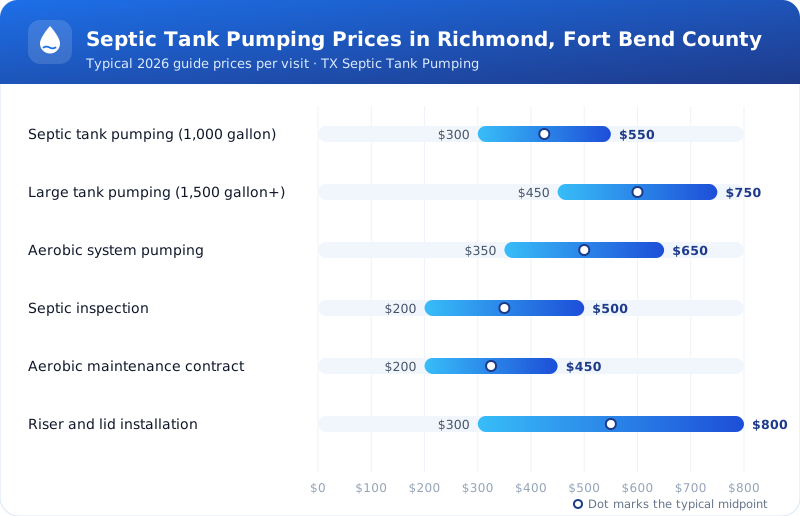
Once solids reach the drain field, the soil around the pipes can clog. A failing field often means excavation, replacing lines, or building a new field. Our guide price for drain field repair runs $2,000 to $10,000, which is a steep bill compared with a routine pump-out. Pumping before the problem reaches the field costs a small fraction of that amount.
Full tanks also raise the risk of backups into the house. If sewage is coming up in a shower or floor drain, stop running water right away and do not flush or run the washer while you wait. Call a pumper as soon as possible, and tell the office that the house is backing up so they can treat the call as urgent.
Daily Habits That Stretch the Time Between Pump-Outs
Much of what shortens a tank's life comes from what goes down the drain. These habits help the tank keep working between visits and reduce the load on the drain field.
- Spread laundry across the week instead of running several full loads in one day.
- Fix running toilets and dripping faucets so water does not keep flowing into the tank.
- Pour cooking grease into a sealed container and throw it away instead of sending it down the sink.
- Skip flushable wipes, paper towels, feminine hygiene products, and diapers, even if the package says flushable.
- Avoid chemical drain cleaners and harsh additives that can upset the bacteria that break down waste.
- Keep a record of pump-outs and any repairs so the schedule stays on track.
Why Tank Additives Do Not Replace Pumping
Products sold as tank treatments are often marketed as a way to avoid pumping. They do not remove the solids that build up in the tank. Ask your pumper about any product before you use it, and keep pumping on schedule regardless.
What a Pump-Out Visit Involves From Call to Lid
A standard residential visit is straightforward, but knowing the steps helps you judge whether the crew is careful and thorough.
- Locate the lidIf the access lid is buried, the crew may need to dig or probe for it. Locating and uncovering the lid usually runs $50 to $200 in guide terms, so ask about that cost during the call.
- Open and inspectThe technician removes the lid and checks the tank's condition. A good inspection includes the baffles, the outlet, and any effluent filter the system uses.
- Measure the layersSludge and scum depths tell the pumper how full the tank is and whether it needs pumping now. This step also helps you spot a problem early.
- Pump the tankThe crew removes the septic waste with a pumping truck and takes it to an approved disposal site. Expect the visit to take a short time for a standard residential tank.
- Review and recordAsk for a written note with the pump date and any issues found. If the tank has no riser, ask about installing one, since a riser and lid guide price runs $300 to $800 and makes future visits faster.
Texas Rules, TCEQ, and Where Richmond Homeowners Should Get Help
The Texas Commission on Environmental Quality, or TCEQ, regulates on-site sewage facilities across the state. The agency sets baseline standards for how systems are designed, installed, and maintained. A homeowner in Richmond follows the same statewide framework as a homeowner anywhere else in Texas.
Local programs can add requirements on top of the state framework. A county may have its own permit or inspection steps for installs and repairs. We do not list local fees or ordinances here, so contact Fort Bend County offices directly for current rules before you start a project.
Ask any pumper or installer whether they hold the credentials the work requires, and ask whether a maintenance contract applies to your system. Aerobic systems usually need a yearly maintenance contract, which is covered in the next section, and a standard tank with a drain field generally does not.