Septic tank pumping companies · Duval County
Listings last refreshed October 16, 2026
Best Septic Tank Pumping in San Diego [2026 Update]
1 septic tank pumping company in San Diego, ranked by Pump Score using Google reviews and profile data.
✓ How we rankFree directory, no pay-to-rank
Septic tank pumping San Diego TX is a routine job for homes that sit outside city sewer lines, and it matters more than many owners expect. The tank holds solids and scum while bacteria break down what they can. Over time the sludge layer grows, and if nothing removes it, solids can move into the drain field, where repairs cost far more than a pumping visit.
Top Rated Septic Tank Pumping Companies in San Diego Compared
Compare the top picks side by side. Full write-ups follow below.
| # | Septic Company | Best for | Score | Rating | Verified |
|---|---|---|---|---|---|
| #1 | Tom's Septic Tank Services | A local septic company you can call direct | 2.6 | 5 reviews | — |
San Diego Septic Tank Pumping Reviews and Ratings
1. Tom's Septic Tank Services
Best for: A local septic company you can call direct
406 E Shaeffer St5 reviews
Score breakdown and details
- Location
- San Diego · 406 E Shaeffer St, San Diego, TX 78384
- Track record
- New or lightly reviewed
- Rating
- 5 Google reviews
- Profile
- Unclaimed listing (Google data)
- Today
- Hours not published
Strengths
- Direct phone number published, no lead form in the way
Watch Out For
Only 5 reviews so far, so the rating could still move. Worth asking about experience.
Our take: Our top pick in this area. A Pump Score of 2.6/10 reflects the best combination of rating, review depth and profile completeness here.
Hiring Local Septic Tank Pumping in San Diego
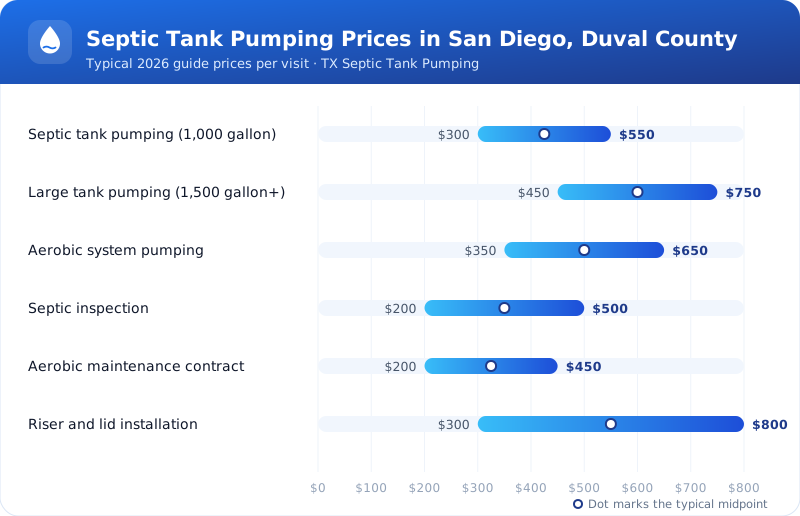
San Diego is a small county seat in South Texas, and our directory lists one ranked pumping company for the town and its ZIP code, 78384. That makes the choice simple in one way and harder in another, since you may not be able to compare several local quotes without driving a fair distance. This page covers how often to pump, the warning signs to watch for, what a pumping visit involves, what not to flush, and what the work typically costs in Texas.
Everything here is general septic knowledge plus the guide prices we track for Texas in 2026. Use it to plan the job, then ask any company to confirm its own price, tank size and what the visit includes before work starts.
How Often a San Diego Home Should Pump Its Septic Tank
Most households should have a septic tank pumped every 3 to 5 years. That range is a starting point, not a rule. A tank serving two people who use a modest amount of water can go longer than one serving a larger family, and a home with a garbage disposal, a second bathroom or frequent guests will fill the tank faster.
The tank size also matters. A 1,000 gallon tank fills at a different pace than a larger tank, so the age of the tank alone does not tell you much. Many owners find it useful to note the pumping date on a calendar or in a file with the system paperwork, then count forward from there. If the house has been sold or inherited, and the last pumping date is unknown, schedule an inspection first so the next step is based on what the tank contains.
Aerobic systems follow a different schedule. These systems use a motor or blower to add air, so they need regular service visits under a maintenance contract, usually once a year, along with periodic pumping. Skipping service on an aerobic unit can cause problems sooner than a basic tank would show them.
Warning Signs That a Tank in Duval County Needs Pumping
A full tank rarely fails all at once. The problems usually show up in the house first, then in the yard. If you notice any of the following, call a pumper before the drain field gets involved.
- Drains throughout the house run slowly, or several fixtures drain at the same time.
- Toilets gurgle, or water rises in the tub or shower when you flush.
- Sewage odors show up near the tank, inside the house or around the drain field.
- The ground over the drain field stays soggy, pools water or grows unusually lush green grass in a strip.
- Sewage backs up into the lowest drain in the house, often a shower or floor drain.
- Sewer gas or a smell appears after heavy water use, such as laundry or a houseful of guests.
What Happens During a Septic Pumping Visit
A standard visit is straightforward, but a few steps protect the system and give you useful information. Ask the crew to explain what they found, and keep the written record for your files.
- Locate and uncover the lidThe tank lid is often buried. If it cannot be found from the plans or by probing, a locating service may be needed, which the guide prices list separately.
- Open the tank and measure the layersThe crew checks the scum layer on top and the sludge layer on the bottom. How those layers compare with the tank depth tells you how urgent the job is.
- Pump out the contentsSolids, liquids and scum are removed, and the tank is emptied as needed for the size of the system.
- Check the baffles and outletDamaged or missing baffles can let scum reach the drain field, so this check often catches a problem that would otherwise grow.
- Inspect the effluent filterWhere a filter is installed, it should be cleaned or replaced so solids do not leave the tank and clog the field.
- Record the date and plan the next visitWrite down the pumping date, the tank condition and any repairs suggested, then set a reminder for the next service.
Conventional Tanks Versus Aerobic Systems in South Texas
Many rural homes in South Texas have a conventional septic tank that separates solids and sends liquid to a drain field by gravity. These systems have few moving parts. The main job is periodic pumping, plus keeping heavy solids, grease and chemicals out of the tank.
Aerobic systems add a treatment chamber that uses air to speed up breakdown. They tend to have pumps, blowers, alarms and spray or drip components, so they need a maintenance contract as well as pumping. Replacing a failed pump or repairing the drip or spray field can cost more than basic service, which is why regular checks matter more on this type of system.
If you are not sure which type you have, look for a riser lid, an alarm panel or electrical equipment near the tank. A pumper can confirm the type during a visit or inspection.
What Never Goes Into a San Diego Septic Tank
Most septic failures start with what goes down the drain. The items below either clog the outlet, cover the bacteria that break waste down, or both. Keep this list on the wall near the laundry room and share it with anyone who uses the house.
- Cooking grease, oil and fat, including what is poured down the sink while still warm
- Wipes of any kind, including those labeled flushable
- Diapers, sanitary products and paper towels
- Coffee grounds, eggshells and other food scraps beyond what the disposal handles
- Paint, paint thinner, solvents, motor oil and gasoline
- Pesticides, herbicides and large amounts of harsh drain cleaner
- Medications, which can harm the bacteria in the tank and are better taken to a pharmacy disposal program
Laundry and Water Habits That Ease the Load on a Septic System
Household water use drives how fast a tank fills and how hard the drain field works. People often ask how many loads of laundry a day a septic system can handle. There is no single safe number for every home, but the common advice is to spread loads across the week rather than running many in one day. Sending a large volume of water into the system at once can push solids toward the outlet before they settle.
Fixing leaks helps just as much. A running toilet or a dripping faucet can add a surprising amount of water each day, and that water goes straight into the tank. Run the dishwasher only when it is full, and avoid long showers during the same hour as laundry. These habits cost nothing and help the tank work as designed between pumpings.
Contacting Tom's Septic Tank Services on East Shaeffer Street
Tom's Septic Tank Services is the ranked septic pumping company for San Diego in our directory. The listed address is 406 E Shaeffer St, San Diego, TX 78384, and the phone number is (361) 279-2069. The listing shows 5 Google reviews, which you can read yourself before calling.
When you call, have your tank location, your last pumping date and the tank size ready if you know them. Ask whether the company will locate the lid, what the visit includes, and whether any callout fees apply if you need service after hours. Get the answers in writing before the crew arrives.