Septic tank pumping companies · Dallas County
Listings last refreshed October 16, 2026
Best Septic Tank Pumping in Duncanville: Local Pros Compared
1 septic tank pumping company in Duncanville, ranked by Pump Score using Google reviews and profile data.
✓ How we rankFree directory, no pay-to-rank
Anyone looking for septic tank pumping duncanville tx service should start by learning what the local options look like. Duncanville sits in Dallas County, and ZIP code 75116 is the only one our directory lists for the town. Only one company currently appears on our ranked list here, so the choice is simpler than in a large city, but it still pays to ask the right questions before a truck pulls into your yard.
Top Rated Septic Tank Pumping Companies in Duncanville Compared
Compare the top picks side by side. Full write-ups follow below.
| # | Septic Company | Best for | Score | Rating | Verified |
|---|---|---|---|---|---|
| #1 | ABCO Septic Tank Services | A local septic company you can call direct | 1.5 | 1 reviews | — |
Duncanville Septic Tank Pumping Reviews and Ratings
1. ABCO Septic Tank Services
Best for: A local septic company you can call direct
Duncanville1 reviews
Score breakdown and details
- Location
- Duncanville · Duncanville, TX 75116
- Track record
- New or lightly reviewed
- Rating
- 1 Google reviews
- Profile
- Unclaimed listing (Google data)
- Today
- Hours not published
Strengths
- Direct phone number published, no lead form in the way
Watch Out For
Only 1 reviews so far, so the rating could still move. Worth asking about experience.
Our take: Our top pick in this area. A Pump Score of 1.5/10 reflects the best combination of rating, review depth and profile completeness here.
Hiring Local Septic Tank Pumping in Duncanville
A septic tank holds wastewater long enough for solids to settle to the bottom and for liquids to flow out to the drain field. Over time sludge and scum build up. A pumping visit removes them before they can clog the outlet or reach the drain field. Most households need a pump-out every three to five years, though the right interval depends on tank size, how many people live in the home, and what goes down the drains.
This page covers what to expect on a pumping visit, guide prices for common septic work, how to tell whether your tank is due, and what to ask before you book. It also explains how aerobic systems differ, since some homes use them and they need a different kind of attention.
What Duncanville Homeowners Should Know Before Calling a Pumper
If your home has a septic system, the tank is usually buried in the yard with an access lid or riser near the surface. Many people have never looked for theirs. Finding the lid before the pumper arrives saves time, and it can keep your bill closer to the guide price, since locating and uncovering the lid is often billed as a separate item.
Keep your system records in one place. Note the tank size if you know it, the date of your last pumping, and whether the home has an aerobic unit, a grease trap or an effluent filter. A pumper who knows these details can plan the visit better and tell you sooner whether anything else needs attention.
Who Is on the Duncanville Ranking for Septic Tank Pumping
Our ranking for Duncanville currently includes one company. Its listing is tied to ZIP code 75116 and shows a single Google review, so the score reflects a small amount of public feedback. The entry below is taken from our directory data.
Search results for this keyword also show other septic names, including DFW Septic and Grease Services and Alamo Septic Pumping. Those businesses are not on our ranked list for Duncanville, so we have not scored them here. You can still call them and ask the same questions listed further down this page.
- ABCO Septic Tank Services, Duncanville, ZIP 75116, (972) 298-1569, one Google review
- Its search listing describes septic tank pumping, installation, repair and grease trap services
Questions to Ask Before Booking a Pump in ZIP 75116
A short phone call can prevent surprises. Use these questions with any company you consider, including the one on the ranked list. The answers will tell you how the visit will go and what the final bill may include.
- Ask for a price based on your tank size, and confirm whether locating and uncovering the lid is extra.
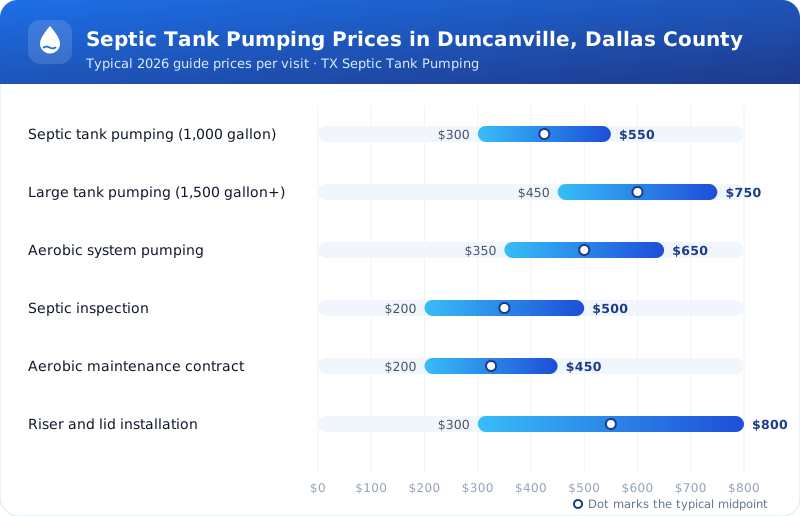
- Ask whether an emergency or weekend callout adds a fee. Guide ranges for that extra charge run from $100 to $300.
- Ask whether the company will check the baffles, the outlet and any effluent filter during the visit.
- Ask how the pumped waste is handled and disposed of. TCEQ regulates on-site sewage facilities in Texas, so the company should be able to explain its process plainly.
- Ask for a written record of the date, the tank size and what was done, so you have it for your next pumping.
Signs Your Tank in Duncanville Is Due for Pumping Now
A full tank rarely fails all at once. It usually sends warnings first, and the warnings often appear inside the house before they show up in the yard. Treat any of the signs below as a reason to call a pumper rather than waiting for the next scheduled interval.
If several signs appear together, the problem may be more serious than a simple pump-out. Call sooner rather than later, because a backed-up drain field is far more expensive to repair than a tank that is pumped on time.
- Drains across the house run slowly, including sinks, tubs and showers
- Toilets gurgle or back up, especially after several loads of laundry or heavy water use
- Sewage odor appears near the tank, the lid or the drain field
- Patches of grass over the drain field stay unusually green or soggy after dry weather
- Water pools on the ground above the tank or the field
- An aerobic system alarm sounds or the unit stops running as it should
What Happens During a Pumping Visit
A typical visit follows the same general sequence no matter which company comes out. Knowing the steps helps you see what you are paying for and what to check before the crew leaves.
- Locate and uncover the lidThe crew finds the tank and its access points. This step can be billed separately, so ask about it when you book.
- Open and check the tankThe crew looks at the liquid level, the scum layer and the sludge layer. These readings show how full the tank is.
- Pump out the solidsThe sludge and scum are removed, and the tank is emptied to the level the pumper recommends.
- Inspect the baffles, outlet and filterThe crew checks the inlet and outlet baffles and any effluent filter. Damage or clogging here can send solids into the drain field.
- Review the findings with youAsk for the tank size, the condition of the components and the date for your next service. Keep this record with your home papers.
Aerobic Systems and Maintenance in Duncanville Homes
Some homes use an aerobic treatment unit instead of a standard tank and drain field. These systems add air to the wastewater so bacteria can break it down more thoroughly. Because they run with moving parts, they need regular attention that a passive tank does not.
Maintenance Contracts
Aerobic systems generally need a maintenance contract that covers inspection and service on a yearly schedule. Guide prices for a yearly contract run from $200 to $450. A contract helps keep the aerator, chlorinator and alarm working, and it gives you one company to call when something seems off.
Alarms and Routine Pumping
Most aerobic units have an alarm that warns when the system is not working correctly. Do not silence an alarm and wait. Call the service provider right away. Aerobic units also still need pumping of solids, and guide prices for that work run from $350 to $650.
What Not to Flush or Pour Down Your Drains
Most septic problems start with materials that should never have gone into the system. Solids that do not break down fill the tank faster and can clog the outlet. Chemicals can also disturb the bacteria that help the tank work.
On vinegar specifically, a splash now and then will not ruin a healthy system, but regular vinegar or harsh drain cleaners are not a substitute for pumping. Pumping is what removes the solids that build up over time.
- Wipes, including those labeled flushable
- Cooking grease, oil and fat, which should go in the trash
- Coffee grounds, paper towels and feminine hygiene products
- Medications and strong chemical cleaners
- Large amounts of laundry in one day, which can overload the drain field
- Garbage disposal waste, which adds solids to the tank faster