Septic tank pumping companies · Williamson County
Listings last refreshed October 16, 2026
Best Septic Tank Pumping in Cedar Park [Updated 2026]
1 septic tank pumping company in Cedar Park, ranked by Pump Score using Google reviews and profile data.
✓ How we rankFree directory, no pay-to-rank
Septic tank pumping in Cedar Park, TX is a routine service that most homeowners only think about when something goes wrong. A septic pumper removes the sludge and scum that build up in your tank so solids do not flow out to the drain field and clog it. Cedar Park sits in Williamson County, and the search results for the area mix a few well-known names with smaller providers, so it helps to know what a good visit looks like before you call anyone.
Top Rated Septic Tank Pumping Companies in Cedar Park Compared
Compare the top picks side by side. Full write-ups follow below.
| # | Septic Company | Best for | Score | Rating | Verified |
|---|---|---|---|---|---|
| #1 | All Cen Tex Septic & Vacuum Pumping | Weekend bookings, open Saturday and Sunday | 6.3 | 41 reviews | — |
Cedar Park Septic Tank Pumping Reviews and Ratings
1. All Cen Tex Septic & Vacuum Pumping
Best for: Weekend bookings, open Saturday and Sunday
707 N Park Cir41 reviews
Score breakdown and details
- Location
- Cedar Park · 707 N Park Cir, Cedar Park, TX 78613
- Track record
- Growing review base
- Rating
- 41 Google reviews
- Profile
- Unclaimed listing (Google data)
- Today
- See hours on profile
Strengths
- 41 Google reviews, a well established track record
- Direct phone number published, no lead form in the way
- Has its own website with more detail on services
- Opening hours published
Watch Out For
The Google profile is not owner verified. Double check the address and phone when you call.
Our take: Our top pick in this area. A Pump Score of 6.3/10 reflects the best combination of rating, review depth and profile completeness here.
Hiring Local Septic Tank Pumping in Cedar Park
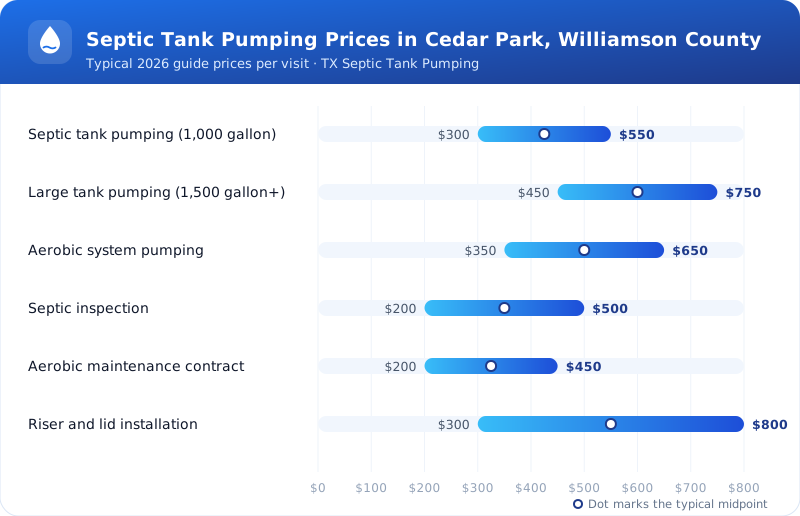
This page covers how often a typical household should pump, what a visit includes, what the work costs using guide prices, and what to check before you book. It also explains why aerobic systems need more than a simple pump-out, and which items should never go down your drains or into your yard.
Our directory currently lists one company in Cedar Park, All Cen Tex Septic & Vacuum Pumping. Other providers appear in search results for the area, but this page only describes businesses whose details we have on file. Use the ranked listing below as a starting point, then work through the checklist before you schedule a visit.
What Happens During a Septic Tank Pumping Visit
A standard visit follows the same basic sequence on most residential tanks. Knowing the order helps you tell whether the technician is working carefully or rushing through the job.
The steps below describe a typical 1,000 gallon residential tank with a standard access lid. Aerobic systems and larger tanks involve extra checks.
- Locate and uncover the lidThe technician finds the access lid, which may sit under soil, mulch, or turf. If the lid is buried, uncovering it is often billed as a separate line item.
- Inspect the tankThe tank is checked for cracks, leaks, root intrusion, and damage to the inlet and outlet baffles. Problems found at this stage are worth noting before any pumping starts.
- Measure scum and sludgeThe layers of floating scum and settled sludge are measured. These readings show how full the tank is and whether pumping is due now or can wait.
- Pump out the solids and liquidA vacuum truck removes the contents of the tank. If your system has an effluent filter, many pumpers check or clean it during the same visit.
- Record what was foundA good pumper leaves you with a written note on the tank condition, the pumping date, and any repairs that should be scheduled. Keep this record with your home papers.
How Often a Cedar Park Household Should Pump Its Tank
Most septic tanks need pumping every 3 to 5 years. That range is a starting point, not a rule. The actual interval depends on how much wastewater enters the tank and how much solid material it carries.
Some habits shorten the interval and others extend it. Check your own household against this list before you pick a schedule.
- Larger households or frequent guests send more water and solids into the tank, which shortens the interval.
- A garbage disposal adds food solids to the tank and often means more frequent pumping.
- Long showers, frequent laundry loads, and running multiple water-heavy fixtures at once speed up filling.
- A smaller tank fills faster than a larger one, so a 1,000 gallon tank may need attention sooner than a bigger unit for the same household.
- Homes with fewer residents and low daily water use may go longer between visits, but the tank should still be inspected on a regular schedule.
Checklist for Choosing a Septic Pumper in Cedar Park
Before you book, ask the company a few direct questions. A clear answer to each one tells you more than a long list of online reviews.
Write down the answers and compare them with the next company you call, even if you only have one local option to consider.
- Confirm the business name, street address, and phone number match what you find on its website or listing.
- Ask for a total price in writing, and ask which items are included, such as lid uncovering and disposal.
- Ask whether a weekend or after-hours callout adds a surcharge.
- Ask whether the tank will be inspected during the visit and whether you will receive a written note afterward.
- Ask how the company handles a lid that is buried or hard to reach.
- Confirm that the company serves your street or ZIP code, including 78613 and nearby areas you may call from.
- Ask what the company recommends if the tank shows signs of damage, and whether any repair work would be quoted separately.
What Not to Flush, Pour, or Plant Near Your Tank
Most septic failures start with what goes into the system or what sits on top of it. The habits below cause the most trouble for tanks and drain fields alike.
Think of the tank as a holding space for water and solids, not a trash can.
- Wipes, including those sold as flushable, which do not break down in the tank.
- Feminine hygiene products, diapers, cotton balls, and paper towels.
- Cooking grease, oil, and fatty food scraps, which harden and block the outlet.
- Coffee grounds and large amounts of food waste from the garbage disposal.
- Harsh chemical drain cleaners, paint, paint thinner, and solvents, which can harm the bacteria that help break down waste.
- Heavy amounts of bleach or antibacterial cleaners poured in large quantities at one time.
- Parking or driving vehicles over the tank or drain field, which can crack the tank or compact the soil.
- Planting trees or large shrubs near the system, since roots can reach and damage pipes and the tank.
Warning Signs and What to Do First
Early signs of a problem are often easy to miss. If you notice more than one of the following, act on them before the tank backs up into the house.
Common signs include slow drains throughout the home, gurgling in toilets or sinks, a sewage odor in the yard or near the tank, and unusually green or soggy ground over the drain field.
- Reduce water use right awaySpread out laundry, shorten showers, and avoid running the dishwasher and washing machine at the same time. Less water gives the tank a chance to settle.
- Stop adding chemicalsDo not pour drain cleaners, enzyme products, or other additives into the system to fix the problem. They rarely solve a full tank and can make the situation harder to diagnose.
- Call a pumper for an inspectionAsk the company to check the tank level, inspect the baffles, and look at the drain field. Pumping may be needed, but the cause should be confirmed first.
- Follow up on repairsIf the inspection finds damage, get the repair scope and price in writing before work begins. Drain field repair can cost $2,000 to $10,000, so compare options before you commit.
Late Calls and Weekend Service in Cedar Park
Septic problems do not wait for business hours. Our listing for the Cedar Park pumper shows service available seven days a week and open 24 hours. That schedule can matter if a backup happens on a Saturday night or a holiday.
Expect an added fee for emergency or weekend callouts. The guide range for that extra charge is $100 to $300, on top of the base pumping price. Ask about the surcharge when you call so you are not surprised by the invoice. For a non-urgent visit, booking during regular hours can keep the total lower.