Septic tank pumping companies · Trinity County
Listings last refreshed October 16, 2026
Best Septic Tank Pumping in Trinity: Trusted & Reviewed
1 septic tank pumping company in Trinity, ranked by Pump Score using Google reviews and profile data.
✓ How we rankFree directory, no pay-to-rank
Anyone searching for septic tank pumping trinity tx is usually a homeowner who just realized the tank under the yard has gone a while without attention, or a buyer who wants to know what the system needs before closing. Either way, the job is the same. A pumper removes the solids and scum that build up in the tank so wastewater can keep moving out to the drain field.
Top Rated Septic Tank Pumping Companies in Trinity Compared
Compare the top picks side by side. Full write-ups follow below.
| # | Septic Company | Best for | Score | Rating | Verified |
|---|---|---|---|---|---|
| #1 | Powledge's BC Septic Systems | A local septic company you can call direct | 3.2 | 4 reviews | — |
Trinity Septic Tank Pumping Reviews and Ratings
1. Powledge's BC Septic Systems
Best for: A local septic company you can call direct
Ramp Rd4 reviews
Score breakdown and details
- Location
- Trinity · Ramp Rd, Trinity, TX 75862
- Track record
- New or lightly reviewed
- Rating
- 4 Google reviews
- Profile
- Unclaimed listing (Google data)
- Today
- Hours not published
Strengths
- Direct phone number published, no lead form in the way
- Has its own website with more detail on services
Watch Out For
Only 4 reviews so far, so the rating could still move. Worth asking about experience.
Our take: Our top pick in this area. A Pump Score of 3.2/10 reflects the best combination of rating, review depth and profile completeness here.
Hiring Local Septic Tank Pumping in Trinity
Trinity is a small town in Trinity County, in East Texas, and the directory we keep for it is short. Our data lists one company with a Trinity address and the ZIP code 75862. That means you will not be comparing a long list of local options. You will be deciding whether that one listed company fits your system, and whether you should widen the search to nearby towns such as Huntsville, Midway or Crockett.
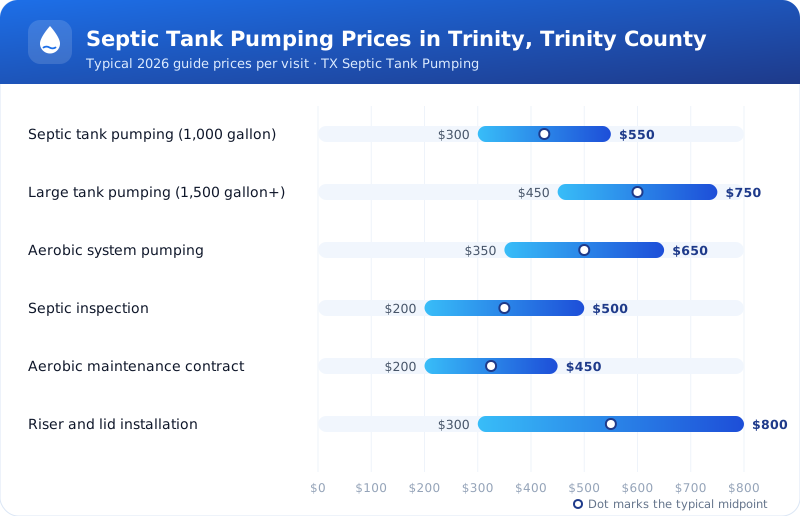
This page covers how often to schedule septic tank pumping, what the crew does on the day of service, the warning signs that a tank is full, what should stay out of the system, and what typical costs look like in Texas. We also explain how aerobic systems differ and what the state expects from owners. All prices here are guide ranges, not quotes.
How Often a Trinity Home Should Schedule Septic Tank Pumping
Most households pump their septic tank every three to five years. That range is a general rule, not a promise, and it moves based on how the system is used. A household with several people, a garbage disposal, or a lot of laundry sends more solids into the tank, so the scum and sludge layers grow faster. A smaller tank has less room to hold those layers, which also shortens the interval.
The safest approach is to write down the date of each pump out and ask the pumper to note how full the tank was. Over two or three visits, that record shows you how quickly your household fills the tank. If the layers are still well below the outlet at each visit, the interval can often stretch. If they are close to the outlet, the schedule should tighten. An inspection can also help set a realistic plan for your home.
Questions to Ask Before Booking Service in Trinity
A short phone call can prevent surprises on the invoice. Ask these questions before the crew arrives, and ask for the answers in writing if you can.
- Does the price include locating and uncovering the lid, or is that a separate charge? Locating and uncovering is often billed on its own.
- Is the tank 1,000 gallons or larger? The price changes with tank size, so confirm the size before you agree to a number.
- Does the company pump aerobic systems, and does your system need a maintenance contract?
- What is the charge for an emergency or weekend callout, and how is it billed?
- Who will be at the property to open the tank, and what should you clear from the area beforehand?
What Happens During a Septic Tank Pumping Visit
A typical visit is straightforward, but knowing the sequence helps you judge whether the work was done properly. The steps below describe the common process for a standard gravity tank.
- Locate the tank and lidThe crew finds the tank and digs down to the access lid if it is buried. Risers make this step faster and cheaper on later visits.
- Open and check the tankOnce the lid is open, the crew checks the liquid level and looks for cracks, root intrusion or any sign that the tank is structurally sound.
- Pump the scum and sludgeA vacuum truck removes the liquid, the scum layer on top and the sludge on the bottom, so the tank is emptied as thoroughly as practical.
- Inspect the baffles and effluent filterThe baffles and outlet tee help keep solids out of the drain field. If the system has an effluent filter, it should be cleaned or replaced as needed.
- Close the lid and record the visitThe lid is replaced and sealed, and the date and condition of the tank should be recorded so you can plan the next service.
Warning Signs Your Tank Is Full
When a tank is full, wastewater has nowhere to go. It backs up into the lowest drains in the house, often toilets and showers first, and it can leave sewage in the home. Watch for these signs and call a pumper soon if you see more than one.
Stop heavy water use right away while you arrange service. Running the dishwasher, washing machine and showers all at once adds more water to a tank that cannot take it.
- Toilets drain slowly or gurgle after you flush
- Drains in sinks, tubs and showers move slowly
- Sewage odor appears inside the house or near the tank
- Water backs up into the lowest fixture in the home
- Patches of unusually green or soggy grass appear over the drain field
- Sewage appears in the yard above the tank or the drain field
What Should Stay Out of a Septic Tank
The tank depends on bacteria to break down waste. Anything that kills those bacteria or clogs the outlet shortens the life of the system. The items below cause the most trouble.
- Grease, cooking oil and fat, which harden in the tank and clog the outlet
- Wipes, including those labeled flushable, which do not break down
- Diapers, feminine hygiene products and condoms
- Coffee grounds, eggshells and fibrous food scraps
- Paint, paint thinner, solvents, motor oil and other chemicals
- Large amounts of bleach, antibacterial soaps or harsh drain cleaners
- Medications flushed down the toilet
Does Your Trinity System Have a Pump or Not
Many homeowners do not know what type of system they have until something goes wrong. The table below shows how common residential systems differ. Knowing which one you have helps you describe the problem to a pumper and ask the right questions about service.
| System type | Pump in the system | Typical service needed |
|---|---|---|
| Conventional gravity tank | Usually none in the tank, since wastewater flows by gravity to the drain field | Periodic tank pumping and outlet filter checks |
| Effluent pump system | A pump in a separate chamber moves treated liquid to the drain field | Tank pumping plus checks of the pump and float switch |
| Aerobic treatment system | An air pump or blower supplies oxygen to the treatment chamber | Tank pumping, mechanical checks and a maintenance contract |