Septic tank pumping companies · Taylor County
Listings last refreshed October 16, 2026
Best Septic Tank Pumping in Ovalo: Local Pros Compared
1 septic tank pumping company in Ovalo, ranked by Pump Score using Google reviews and profile data.
✓ How we rankFree directory, no pay-to-rank
Septic tank pumping in Ovalo, TX is a job most homeowners only think about when something goes wrong, usually a slow drain or a soggy patch of lawn. Ovalo is a small town in Taylor County, and the local listing for septic service is short. That makes it easier to compare your options, but it also means you should plan ahead and know what to ask before a truck arrives.
Top Rated Septic Tank Pumping Companies in Ovalo Compared
Compare the top picks side by side. Full write-ups follow below.
| # | Septic Company | Best for | Score | Rating | Verified |
|---|---|---|---|---|---|
| #1 | DHB Sitework LLC | Checking services and hours online before you call | 4.2 | 5 reviews | — |
Ovalo Septic Tank Pumping Reviews and Ratings
1. DHB Sitework LLC
Best for: Checking services and hours online before you call
3009 Farm Market Road 6145 reviews
Score breakdown and details
- Location
- Ovalo · 3009 Farm Market Road 614, Ovalo, TX 79541
- Track record
- New or lightly reviewed
- Rating
- 5 Google reviews
- Profile
- Unclaimed listing (Google data)
- Today
- See hours on profile
Strengths
- Direct phone number published, no lead form in the way
- Has its own website with more detail on services
- Opening hours published
Watch Out For
Only 5 reviews so far, so the rating could still move. Worth asking about experience.
Our take: Our top pick in this area. A Pump Score of 4.2/10 reflects the best combination of rating, review depth and profile completeness here.
Hiring Local Septic Tank Pumping in Ovalo
A septic system is simple in concept. Wastewater flows from the house into a buried tank, solids settle to the bottom, lighter material floats, and the liquid moves out to a drain field. Solids build up over time, and a tank that goes too long without pumping can push material into the drain field, which is the costly part to fix. Most households pump every three to five years, though the right schedule depends on tank size, how many people live in the home, and how much water the household uses.
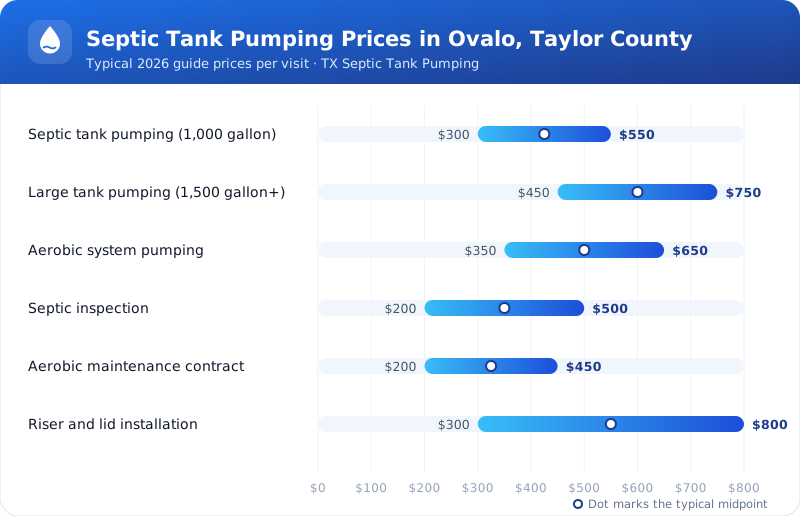
This page covers who is listed in Ovalo, how to tell when your tank is due, what to do before the pump truck shows up, how aerobic and conventional systems differ, what Texas rules say about on-site systems, and what guide prices look like. Costs are ranges, not quotes, so call for an actual price before you book.
Who Is Pumping Septic Tanks in Ovalo Right Now
Our ranked listing for Ovalo includes one company. It is ranked in Pump Score order, and with only one entry there is no side-by-side comparison inside town limits. Use the details below to reach the company directly and ask the questions in the checklist later on this page.
- DHB Sitework LLC, 3009 Farm Market Road 614, Ovalo, TX 79541. Phone (325) 665-5833. Listed hours are Monday through Friday. The listing shows a website and five Google reviews.
- Nearby towns: Abilene about 20 miles, Tye about 20 miles, Merkel about 22 miles, Hawley about 34 miles, Cross Plains about 37 miles, and Sweetwater about 40 miles.
- Ovalo is in Taylor County, which has three other towns besides Ovalo. Check whether providers in those towns serve your address if the Ovalo listing does not fit your schedule.
Signs Your Ovalo Tank Is Due for Pumping
Warning signs usually build slowly. Many homeowners notice one symptom, assume it is a fluke, and wait until a second or third one appears. The table below lists common signs and what they often point to. None of them proves the tank is full on its own, but several together are a strong reason to schedule an inspection.
| What You Notice | What It Often Means |
|---|---|
| Drains run slowly across the whole house | Solids may be filling the tank and reducing the space for liquid flow |
| Gurgling pipes or toilets that bubble when you run water | Air is being pushed through the system, often because liquid cannot drain freely |
| Sewage smell near the tank or drain field | Tank contents may be near the outlet or the field is not absorbing liquid well |
| Soggy or unusually green grass over the drain field | Effluent may be surfacing, which can point to a full tank or a failing field |
| Sewage backing up into a tub or floor drain | This is an urgent sign that the system cannot take more flow and needs service now |
Steps to Take Before the Pump Truck Arrives
A little preparation keeps the appointment short and helps the technician find the tank quickly. Most of these steps take less than an hour. If you cannot find the lid, say so when you book, since locating and uncovering it may be a separate charge.
- Find the access lidsLook for risers or covers in the lawn, usually near the house. Many older tanks have lids buried a few inches under soil, so use a probe or ask a neighbor who has had service done.
- Clear a path for the truckMove vehicles, trailers, and equipment out of the way. Keep the route to the tank open and avoid parking heavy vehicles on the drain field.
- Note the tank size if you know itCheck your permit papers, home inspection report, or installer records. Tank size affects the price, and a 1,500 gallon tank costs more to pump than a 1,000 gallon tank.
- Record the last pumping dateIf you have a record, share it with the technician. A tank pumped two years ago that now shows signs of trouble may point to a different issue, such as a clogged outlet or a failing field.
- Plan water use for the dayAvoid running the washer, dishwasher, or long showers during the visit. Heavy water use while the tank is being serviced can complicate the job.
Conventional or Aerobic: Which Fits a Taylor County Lot
Ovalo homes may run on either a conventional gravity septic system or an aerobic treatment unit. The right choice depends on the lot, the soil, the water table, and the budget. West Texas soils vary a lot from one property to the next, so a system that works well for a neighbor may not be the best fit for your yard. A site evaluation is the best way to decide, and the local permitting process is where that evaluation starts.
| Feature | Conventional Septic | Aerobic System |
|---|---|---|
| How it treats wastewater | Settles solids in a tank and relies on the drain field to treat liquid | Adds air to speed treatment before liquid goes to a disposal area |
| Routine pumping | Pumped every three to five years as a common guide | Still needs solids pumping, plus regular servicing of its parts |
| Ongoing upkeep | Mostly pumping and avoiding harmful flushes | Often needs a yearly maintenance contract and periodic checks of the aerator and pump |
| Typical guide cost to install | Varies widely by lot and soil | New aerobic system: about $8,000 to $18,000 in Texas |
When Aerobic Systems Make Sense
Aerobic units are often considered when soil is not ideal for a standard drain field or when a property needs more treatment before water is released. They do need steady attention. If your home has one, ask whether the service provider handles both pumping and the maintenance visits it requires.
What Texas Rules Mean for On-Site Systems in Ovalo
Septic systems in Texas are regulated under state rules for on-site sewage facilities. The Texas Commission on Environmental Quality, known as TCEQ, sets the baseline for how these systems are designed, installed, and maintained. Homeowners often assume that all oversight comes from one office, but local permitting authorities may also play a role in approving a new system or a repair. Your county or local office can tell you which permits apply to your property.
For a homeowner, the practical point is simple. Keep paperwork for any installation, permit, or inspection, and keep records of each pumping. If you sell the property or make a major repair, those records help the buyer and the installer understand the system's history. Before any new installation or drain field work, confirm which permits and inspections are required, since the process is different from one place to the next.
Keep Records That Help Later
A simple binder with the installer's diagram, pumping receipts, and any maintenance reports is enough. When a technician arrives, that paperwork can show where the tank and lids are and how the system has been serviced.
Check Before You Dig
Do not start digging for a new line, tank, or drain field without confirming the required approvals first. Work done without the right approvals can cause problems when you sell or when the system needs service.
Habits That Stretch the Time Between Pumpings
Regular pumping is the main protection for any septic system, but daily habits affect how fast solids build up. Most of the changes below cost nothing and reduce the chance of a backup or a rushed call.
- Use septic-safe toilet paper in normal amounts and avoid flushing wipes, even those labeled flushable.
- Keep grease, oil, and food scraps out of the sink and garbage disposal.
- Spread laundry across the week instead of running many loads in one day.
- Fix leaking toilets and faucets, since extra water moves solids through the tank faster than it settles.
- Keep vehicles and heavy equipment off the drain field and keep roof runoff directed away from it.
- Flush medicines, chemicals, and paint thinner down the drain only if you want to risk damage to the bacteria that help treatment, so take them to a proper disposal site instead.