Septic tank pumping companies · Sabine County
Listings last refreshed October 16, 2026
Best Septic Tank Pumping in Milam: Local Pros Compared
1 septic tank pumping company in Milam, ranked by Pump Score using Google reviews and profile data.
✓ How we rankFree directory, no pay-to-rank
Finding septic tank pumping in Milam, TX is simpler than in most Texas towns, mostly because there are fewer choices to compare. Our directory lists one company based in Milam, Padon's Sanitation Services, with a Milam ZIP code of 75959 and three Google reviews. That is a short list, so it helps to understand what a pumping visit involves, what it should cost, and how to tell whether your tank needs one now or can wait.
Top Rated Septic Tank Pumping Companies in Milam Compared
Compare the top picks side by side. Full write-ups follow below.
| # | Septic Company | Best for | Score | Rating | Verified |
|---|---|---|---|---|---|
| #1 | Padon's Sanitation Services | A local septic company you can call direct | 2.2 | 3 reviews | — |
Milam Septic Tank Pumping Reviews and Ratings
1. Padon's Sanitation Services
Best for: A local septic company you can call direct
Milam3 reviews
Score breakdown and details
- Location
- Milam · Milam, TX 75959
- Track record
- New or lightly reviewed
- Rating
- 3 Google reviews
- Profile
- Unclaimed listing (Google data)
- Today
- Hours not published
Strengths
- Direct phone number published, no lead form in the way
Watch Out For
Only 3 reviews so far, so the rating could still move. Worth asking about experience.
Our take: Our top pick in this area. A Pump Score of 2.2/10 reflects the best combination of rating, review depth and profile completeness here.
Hiring Local Septic Tank Pumping in Milam
A septic system is a buried, watertight tank that holds household wastewater long enough for solids to settle. Heavy material sinks to the bottom and forms sludge. Grease and other light material floats and forms scum. The liquid in the middle flows out to the drain field, where soil finishes the treatment. Bacteria in the tank break down some organic matter, but they cannot break down everything. Over time the sludge layer grows, and when it gets close to the outlet, solids can escape into the drain field and clog it.
This page covers the practical side. You will find the warning signs that a tank is due, what a pumping visit usually includes, what to avoid putting into the system, and how a rural location affects scheduling. The provider listing sits between the early sections and the later ones, so you can read the background before you call.
What Septic Tank Pumping Removes From a Milam Home
Pumping removes the material that the tank has been holding back. A vacuum truck draws out the sludge at the bottom and the scum at the top, leaving the tank with room to hold new wastewater. Solids that stay in the tank keep building up. Once they reach the outlet, they can travel into the drain field, and a clogged drain field is far more expensive to fix than a tank that was pumped on time.
Bacteria cannot handle everything that goes down a drain. Wipes, plastics, cooking grease and many household products either pass through untouched or slow the bacteria that break down waste. That is why the pumping schedule matters even for a household that is careful. A tank can be well used and still fill with material that does not break down.
A pumper also looks at the parts that keep the tank working. Baffles and tees direct flow so that scum stays in the tank and liquid moves out in an orderly way. Cracks, leaks and worn parts can show up during a visit, and catching them early is one of the main reasons to pump on a schedule instead of waiting for a problem to appear inside the house.
Signs Your Tank Is Due for Pumping
Most tanks give some warning before they back up. The signs below suggest the tank is full or the drain field is under stress. Any one of them is worth a call, and two or more together call for prompt service.
- Drains run slowly in several fixtures at once, not just one sink
- Gurgling sounds in the plumbing after you flush or run water
- A sewage smell around the tank lid or over the drain field
- Soggy ground or unusually lush, green patches above the drain field
- Wastewater backing up into tubs, showers or floor drains
- No record of pumping in the last three to five years
What Happens During a Pumping Visit in Rural Sabine County
A typical visit is short, but a few steps make it go smoothly, especially on a rural property where the tank may be harder to reach. Here is the usual order of work.
- Locate the tankThe crew needs access to the tank lid. If the lid is buried or hard to find, uncovering it may be a separate charge. Clear a path to the lid before the truck arrives.
- Open and measureThe crew opens the access lids and checks how deep the sludge and scum layers are. This measurement shows how full the tank is and helps set the next service date.
- Pump the contentsA vacuum hose removes the sludge, scum and liquid. Crews generally pump the tank out rather than leaving part of the contents behind.
- Inspect the interiorLook for damaged baffles, broken tees, a worn outlet and any visible cracks. Ask the crew to point out anything they find.
- Get a written recordAsk for a note that states what was pumped, what was found and when the tank should be serviced again. Keep it with your home records for future sales or repairs.
Pumping, Inspecting or Adding a Product: Which Option Fits Your Tank
Homeowners often mix up the services that sound similar. The table below separates the common options and shows when each one is the right call. Pumping and inspection are different jobs, and a product sold as a septic booster is not a substitute for either.
| Option | What It Does | Typical Fit |
|---|---|---|
| Routine pumping | Removes sludge and scum from the tank | Conventional tanks, usually every three to five years |
| Septic inspection | Checks the tank, baffles and drain field condition | Before buying or selling a home, or when a problem is suspected |
| Aerobic maintenance contract | Covers regular servicing of an aerobic unit | Aerobic systems, which generally require a maintenance contract |
| Additive or bacteria product | Marketed to add microbes to the tank | Not a replacement for pumping; ask your pumper before using one |
Do Not Flush or Pour: The Worst Things for a Septic Tank
Most septic failures start with material that should never have entered the system. The items below are among the most common causes of early pumping and drain field trouble. Keep a small waste basket in the bathroom and post this list near the kitchen sink if the household needs a reminder.
- Wipes of any kind, including those labeled flushable
- Cooking grease, oil and fat poured down the sink
- Coffee grounds, eggshells and other food solids
- Diapers, feminine products and cotton balls
- Chemical drain cleaners, paint thinners and solvents
- Heavy bleach use or harsh disinfectants in large amounts
- Several large loads of laundry or long showers run back to back
Booking From a Rural Town Like Milam
Rural service works differently from city service. Crews may plan routes around several calls in one area, so the appointment window can be wider than homeowners expect. Calling early and giving a clear location makes scheduling easier for everyone.
Distance and Scheduling
Our data lists Hemphill at 9 miles and Pineland at 15 miles from Milam, with Jasper at 40 miles. If a company is based outside your immediate area, ask how long the drive will take and whether travel is included in the quoted price. Give the crew a directions note and a phone number they can use from the road.
Emergency and Weekend Calls
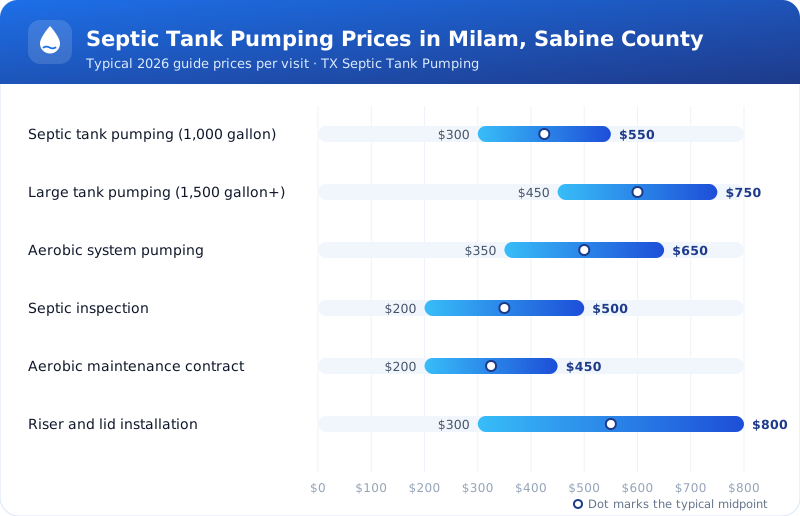
A backup on a weekend or after hours can cost more. Guide pricing for an emergency or weekend callout adds $100 to $300 on top of the service price. Ask the company whether it handles after-hours work before you need it, and save the number in your phone with the tank location written on the same card.
Questions to Ask Before You Book a Pumper
A short phone call can save a wasted trip or a surprise bill. These questions cover the points that most often lead to confusion about cost and scope.
- Is there a fee to locate and uncover the lid if it is buried?
- What is the total price, including any travel or after-hours charge?
- Will the crew inspect the baffles and outlet and tell you what they found?
- Do they service aerobic systems, or only conventional tanks?
- Can you get a written record of the visit and the next recommended date?
- What do recent Google reviews say about punctuality and cleanup?