Septic tank pumping companies · Jefferson County
Listings last refreshed October 16, 2026
Best Septic Tank Pumping in Groves: Trusted & Reviewed
1 septic tank pumping company in Groves, ranked by Pump Score using Google reviews and profile data.
✓ How we rankFree directory, no pay-to-rank
Septic tank pumping in Groves, TX is one of those jobs most homeowners put off until drains slow down or a soggy patch appears over the drain field. Groves sits in Jefferson County on the Texas Gulf Coast, a few miles from Port Arthur, and the septic systems here work the same way they do anywhere else. Solids settle in the tank, liquid flows out to the drain field, and the sludge layer keeps growing until someone removes it.
Top Rated Septic Tank Pumping Companies in Groves Compared
Compare the top picks side by side. Full write-ups follow below.
| # | Septic Company | Best for | Score | Rating | Verified |
|---|---|---|---|---|---|
| #1 | Port Neches Sewage Disposal | A local septic company you can call direct | 2.3 | 1 reviews | — |
Groves Septic Tank Pumping Reviews and Ratings
1. Port Neches Sewage Disposal
Best for: A local septic company you can call direct
6499 Georgia St1 reviews
Score breakdown and details
- Location
- Groves · 6499 Georgia St, Groves, TX 77619
- Track record
- New or lightly reviewed
- Rating
- 1 Google reviews
- Profile
- Unclaimed listing (Google data)
- Today
- Hours not published
Strengths
- Direct phone number published, no lead form in the way
- Has its own website with more detail on services
Watch Out For
Only 1 reviews so far, so the rating could still move. Worth asking about experience.
Our take: Our top pick in this area. A Pump Score of 2.3/10 reflects the best combination of rating, review depth and profile completeness here.
Hiring Local Septic Tank Pumping in Groves
This page covers what a pumping visit involves, how often a household should schedule one, what the work typically costs, and what Texas law says about on-site systems. It also names the one provider currently in our directory for Groves and points to the nearby cities where residents often compare options. Most of the advice applies to conventional tanks and to aerobic units, although aerobic systems need extra maintenance steps that are covered later. Treat the guide as a planning tool, then ask a provider for a quote on your own tank.
What Happens During a Septic Pumping Visit in Groves
A standard visit is short, but each step has a purpose. Knowing the sequence helps you ask the right questions and spot a rushed job.
- Locate the tank and lidThe crew finds the access lids or risers. If the lids are buried under soil or grass, uncovering them is a separate charge, with a guide range of $50 to $200.
- Check the level and conditionA good provider looks at the sludge and scum layers, checks the baffles, and notes any cracks or standing water around the lid.
- Pump out the contentsThe solids and liquids are removed from the tank and hauled to an approved disposal site. The tank should be emptied, not just skimmed.
- Inspect the outlet and filterIf the tank has an effluent filter, the crew should clean it. Ask whether the outlet baffle was checked, since a clogged outlet can push solids into the drain field.
- Record the visitWrite down the date, the tank size, and the next recommended pumping. Keeping this record makes the next visit easier to plan.
Port Neches Sewage Disposal and How to Vet a Groves Provider
Port Neches Sewage Disposal is the only Groves business in our directory. Its listing gives a street address of 6499 Georgia St in ZIP 77619, a phone number of (409) 962-5267, and a website. Our data shows one Google review for the business, so there is not much public feedback to weigh yet. That is not a reason to rule it out, but it is a reason to ask direct questions before you book.
Call and ask what the pumping price includes, whether the tank is emptied completely, and what it charges to locate a buried lid. If your home has an aerobic unit, ask whether the company services that type of system. If it does not, a Port Arthur or Nederland provider may be a better fit for that equipment. Get the answers in writing if you can.
How Often Groves Homeowners Should Schedule Pumping
The common guidance for a typical residential tank is pumping every three to five years. The right interval for your home depends on the tank size, how many people live there, how much water the household uses, and whether a garbage disposal sends extra solids into the tank. Use the table as a starting point, then adjust based on what your provider finds during each visit.
| Situation | Typical Interval |
|---|---|
| Standard residential tank with a small household | Every 3 to 5 years |
| Larger household or heavy water use | Sooner than 3 years, with a yearly check |
| Home with a garbage disposal | Plan on more frequent pumping |
| Aerobic system | Follow the maintenance contract and the provider's pumping advice |
| Tank that has never been pumped or whose history is unknown | Pump soon, then set a schedule from the findings |
Aerobic Systems and Why Pumping Is Not the Whole Job
Many homes in and around Groves use conventional tanks, but some have aerobic treatment units. The two types work differently, and the upkeep is not the same. Knowing which one you have changes what you should budget for and who you should call.
Conventional Tank
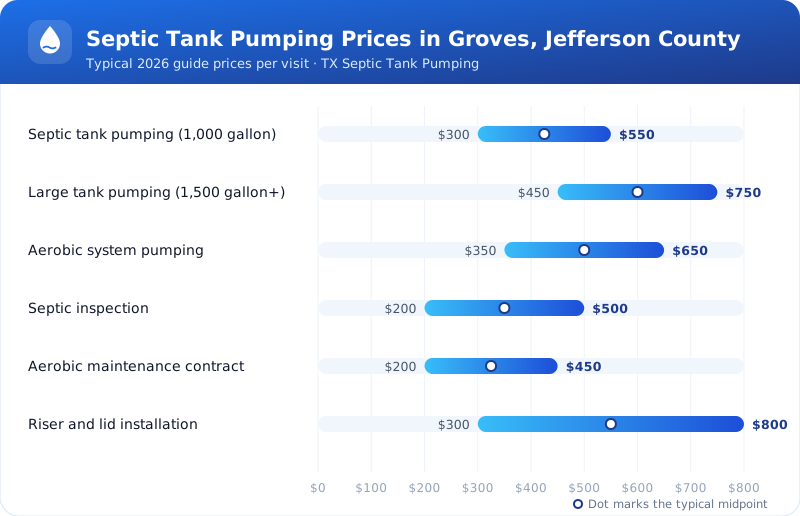
A conventional system relies on settling and natural breakdown in the tank before liquid moves to the drain field. The main routine task is pumping the tank on schedule. Guide pumping prices for a 1,000 gallon tank run $300 to $550, and larger tanks of 1,500 gallons or more run $450 to $750.
Aerobic Unit
An aerobic system adds air to the wastewater so bacteria can treat it more fully, and it usually needs a maintenance contract on top of pumping. Aerobic system pumping runs $350 to $650 in the guide ranges, and a yearly maintenance contract often runs $200 to $450. Ask your provider whether it can service the unit and how often it recommends visits.
Warning Signs Between Pumpings in Groves
A system that needs attention rarely fails without warning. If you notice any of the following, call a provider before the problem reaches the drain field. Early pumping costs far less than a field repair.
- Drains, toilets, or showers run slowly across the whole house
- Gurgling sounds in plumbing when water drains
- Sewage odor near the tank, the lid, or indoors
- Soggy, unusually green, or spongy ground over the drain field
- Sewage backing up into tubs or floor drains
- Lush grass in one strip that stays wet after dry weather
Texas Rules for Septic Systems and What They Mean at Home
The Texas Commission on Environmental Quality regulates on-site sewage facilities across the state, which includes the septic systems used by most homes outside city sewer lines. The agency sets the general framework for how systems are designed, installed, and maintained, and it oversees the professionals who work on them. The details that apply to a specific property, such as permits or inspection requirements, can depend on local authority, so check with the county or the TCEQ before a major project.
For a homeowner in Groves, the practical takeaway is simple. Keep records of pumping visits, use licensed professionals for installation and repairs, and ask any contractor to explain which rules apply to your lot. Keeping paperwork also helps if you sell the home later, since a buyer or inspector will want to know the system's history.
What Not to Flush or Pour Down a Groves Septic System
Most septic failures start with materials that should never have gone down the drain. The list below covers the common culprits. Laundry and vinegar questions come up often, so they are addressed here too.
- Wipes, even ones labeled flushable, which do not break down in the tank.
- Grease, cooking oil, and fats, which harden and clog the outlet.
- Coffee grounds, paper towels, feminine products, and diapers.
- Chemical drain cleaners and harsh solvents, which can kill the bacteria the system relies on.
- Vinegar poured down the drain. It is not a substitute for pumping, and regular household use does not make a tank clean on its own.
- Large loads of laundry all at once. Spreading washing across the week gives the drain field time to absorb water between loads.
Questions to Ask Before Booking a Groves Pumping Visit
Use this list when you call Port Neches Sewage Disposal or any other provider you are considering. A clear answer to each item will help you compare quotes fairly.
- Does the price include a full pumping, and is the lid cleaned and checked?
- Is there a charge to locate or uncover the lid?
- Does the company service conventional tanks, aerobic units, or both?
- What is the emergency or weekend callout charge, if any?
- Will you receive a written record of the visit and the next recommended date?
- How will the waste be disposed of, and is the provider's disposal site approved?