Septic tank pumping companies · Harris County
Listings last refreshed October 16, 2026
Best Septic Tank Pumping in Kingwood [Updated 2026]
1 septic tank pumping company in Kingwood, ranked by Pump Score using Google reviews and profile data.
✓ How we rankFree directory, no pay-to-rank
Septic tank pumping kingwood tx searches usually start in one of three ways: a drain that gurgles, a soggy patch in the yard, or a tank lid nobody has opened in years. If your home is not connected to a municipal sewer line, the tank and the drain field behind it are your responsibility from start to finish. Pumping is the routine task that keeps solids from spilling into the drain field, and it is the one most often put off.
Top Rated Septic Tank Pumping Companies in Kingwood Compared
Compare the top picks side by side. Full write-ups follow below.
| # | Septic Company | Best for | Score | Rating | Verified |
|---|---|---|---|---|---|
| #1 | ADK Septic Services | Trying a newer local septic company | 0.8 | — | — |
Kingwood Septic Tank Pumping Reviews and Ratings
1. ADK Septic Services
Best for: Trying a newer local septic company
4025 Feather Lakes Way #6658No reviews yet
Score breakdown and details
- Location
- Kingwood · 4025 Feather Lakes Way #6658, Kingwood, TX 77339
- Track record
- New or lightly reviewed
- Rating
- No Google reviews yet
- Profile
- Unclaimed listing (Google data)
- Today
- Hours not published
Strengths
- Direct phone number published, no lead form in the way
Watch Out For
No Google reviews yet. Ask for references or recent customers you can speak to.
Our take: Our top pick in this area. A Pump Score of 0.8/10 reflects the best combination of rating, review depth and profile completeness here.
Hiring Local Septic Tank Pumping in Kingwood
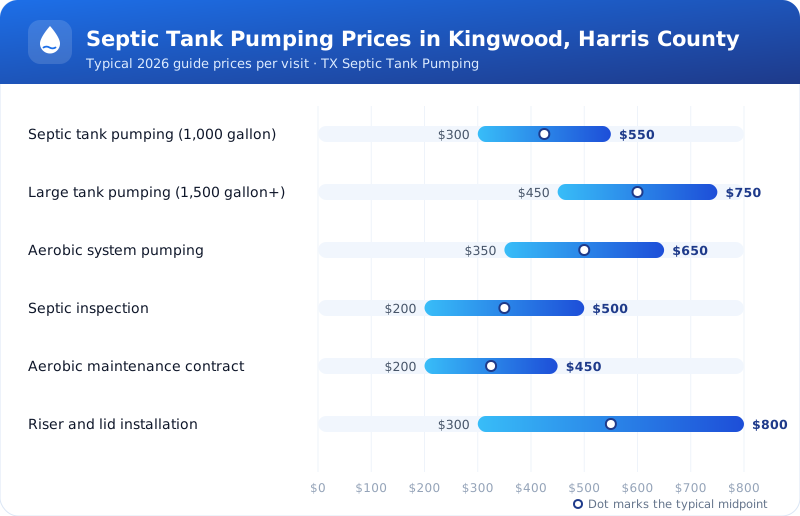
This page covers how often a Kingwood household should pump, the warning signs that a tank is overdue, what a pumping visit usually involves, and what Texas expects from owners of on-site systems. It also gives guide prices for common services in 2026, so you can judge a quote before you agree to it. The directory currently ranks one company for Kingwood, so the local section explains how to widen your search to nearby towns.
If you are new to septic systems, read the sections in order. If you already know your tank size and last pumping date, jump to the schedule and price sections, then check the listing before you call anyone.
Who Pumps Septic Tanks in Kingwood Right Now
The directory has one septic company with a Kingwood listing so far. ADK Septic Services is listed at 4025 Feather Lakes Way #6658 in ZIP 77339, with the phone number (832) 777-2212. It is the only ranked entry for Kingwood on this page, and it has no Google reviews in our data yet, so there is no review history to compare against.
A single listing makes the ranking short, but it does not make the decision for you. Call the company, describe your tank and your last pumping date, and ask for a written price before work begins. The guide prices further down this page give you a yardstick for that conversation, and a quote that falls far outside those ranges deserves a clear explanation.
How Often a Kingwood Home Should Pump
Most conventional septic tanks need pumping every three to five years. That range is a general rule, not a promise, and the right interval depends on tank size, the number of people in the house, and how much water goes into the system each day. A septic tank pumping schedule works best when it is based on your own household, not a neighbor's calendar.
Several habits change how fast a tank fills. Each one moves the timing in one direction or the other, so it helps to think through your own home before setting a date.
- Smaller tanks fill faster, so they often need pumping sooner than larger tanks serving the same household.
- A garbage disposal adds solids to the tank, which shortens the time between visits.
- Frequent guests and large laundry loads push more water through the system in a short period.
- Aerobic systems follow a different routine, covered later on this page, and usually need service on a schedule set by the maintenance contract.
- Write the last pumping date inside a kitchen cabinet or in a home maintenance log so the next visit is not guesswork.
- If you bought a home and do not know its pumping history, pump it early and start a fresh record from that date.
Warning Signs Your Tank Is Overdue
A tank packed with solids pushes wastewater toward the drain field before it has settled properly. The signs below often appear in roughly the order listed, and any one of them is a reason to call.
- Drains in several fixtures run slowly at the same time.
- Toilets gurgle, or water rises in the tub when the toilet flushes.
- A sewage smell appears near the tank lid, around the house, or over the drain field.
- Patches of unusually green grass or soggy soil show up above the drain field.
- Water from a washing machine or shower pools in the yard.
- Sewage backs up into the lowest drain in the house.
What Happens During a Pumping Visit
A pumping visit is straightforward, but each step tells you something about the system. Knowing the sequence helps you ask the right questions and spot a rushed job.
The steps below describe the usual order of work for a conventional tank. The company should explain what it is doing as it goes, and you should receive a record afterward.
- Locate the tankThe technician finds the tank and its access lids. If the lids are buried, uncovering them is a separate service with its own guide price.
- Open and checkThe lids are lifted and the layers of scum and sludge are measured, which shows how much room is left in the tank.
- Pump outThe contents are removed by vacuum truck and hauled away, not left in the yard or pushed toward the drain field.
- Inspect the internalsBaffles, tees and the outlet are checked for cracks or blockage. A damaged baffle lets scum reach the drain field, so it should be reported right away.
- Keep the recordThe date, tank size, condition and any repairs go on a written record that you keep for the next visit.
What Texas Rules Mean for a Kingwood Septic Owner
Texas regulates on-site sewage facilities at the state level, and owners carry most of the day-to-day responsibility. Rules can be confusing for homeowners who have never had to think about a septic system before, so the sections below cover the basics in general terms. This page does not list county ordinances or local permit fees, so confirm those details with the local permitting office before you start any new construction or major repair.
Who Regulates the System
The Texas Commission on Environmental Quality regulates on-site sewage facilities across the state, including the design, installation and operation rules that apply to septic tanks and aerobic units. If you are unsure which rules apply to your property, start with the permit records for your system and the service documents from your last visit.
What Owners Are Expected to Do
In practice, owners are expected to keep the system working, schedule pumping, and maintain aerobic units under the terms of their service contract. Keeping a written record of each visit makes it easier to show what work was done, and it helps the next technician understand the system's history. Waiting until a backup occurs is the most expensive way to find out a tank is overdue.
What Not to Flush, Pour or Wash Down the Drain
Most septic problems start with materials that the tank cannot break down. The tank holds solids so that the drain field receives clearer liquid, and anything that does not break down adds to the sludge layer.
- Wipes, including those labeled flushable, do not break down in a septic tank.
- Grease and cooking oil solidify and clog the outlet and the drain field.
- Paint thinner, solvents and large amounts of bleach or harsh drain cleaners can harm the bacteria that break down waste.
- Coffee grounds, eggshells and fibrous food scraps add solids that the tank must hold.
- Spread laundry across several days rather than running many loads back to back.