Septic tank pumping companies · Collin County
Listings last refreshed October 16, 2026
Best Septic Tank Pumping in Plano: Top Rated & Trusted
1 septic tank pumping company in Plano, ranked by Pump Score using Google reviews and profile data.
✓ How we rankFree directory, no pay-to-rank
Most people who search for septic tank pumping plano tx have a tank that is either due for service or already showing trouble, such as slow drains, gurgling fixtures, or soggy ground over the drain field. A septic tank holds wastewater long enough for solids to settle and for grease to float, and the liquid then drains out to the soil. Over time the solid layer grows until it can carry material into the drain field, and that is when repairs get expensive.
Top Rated Septic Tank Pumping Companies in Plano Compared
Compare the top picks side by side. Full write-ups follow below.
| # | Septic Company | Best for | Score | Rating | Verified |
|---|---|---|---|---|---|
| #1 | Plano Porta Pros | Saturday appointments | 4.0 | 4 reviews | — |
Plano Septic Tank Pumping Reviews and Ratings
1. Plano Porta Pros
Best for: Saturday appointments
5228 Village Creek Dr4 reviews
Score breakdown and details
- Location
- Plano · 5228 Village Creek Dr, Plano, TX 75093
- Track record
- New or lightly reviewed
- Rating
- 4 Google reviews
- Profile
- Unclaimed listing (Google data)
- Today
- See hours on profile
Strengths
- Direct phone number published, no lead form in the way
- Has its own website with more detail on services
- Opening hours published
- Open on Saturdays
Watch Out For
Only 4 reviews so far, so the rating could still move. Worth asking about experience.
Our take: Our top pick in this area. A Pump Score of 4/10 reflects the best combination of rating, review depth and profile completeness here.
Hiring Local Septic Tank Pumping in Plano
This page walks through what a pumping visit includes, what to have ready before the crew arrives, and how to read the guide prices in our Texas 2026 table. It also covers the one company our directory currently ranks in Plano, Plano Porta Pros, along with its Google review count and listed hours. You will also find answers to common questions about inspections, Texas rules, and whether a new system is ever a cheaper choice.
Treat this page as a practical checklist rather than a sales pitch. Any number you see is a guide range for Texas in 2026, not a quote for your property. Before you book, ask the company for its price in writing, the tank size it expects to find, and whether the visit includes locating the lids.
What a Septic Tank Pumping Visit Covers in Plano
A standard pumping visit starts with finding the access lids. Many tanks are buried deep enough that the lid has to be uncovered, and some homeowners never know where it is. Once the technician opens the tank, the liquid and the settled sludge are removed by vacuum truck, and the floating scum layer is cleared as well. A clean tank leaves the inlet and outlet baffles in place, and a good technician checks those baffles and the outlet for cracks or blockage.
The crew should also note the condition of the tank, the depth of solids they found, and any damage they see. Ask for a written note of the work completed and the date. That record helps you plan the next visit and gives a future buyer or inspector something concrete to review.
Before the Pumping Crew Arrives at Your Plano Address
A few minutes of preparation can save a return trip and keep the visit on schedule. Work through this list the day before your appointment.
- Confirm the street address and the ZIP code, 75093 for the ranked Plano listing, so the company routes to the correct property.
- Mark or clear the access lids so the technician can reach them without digging through landscaping.
- Move vehicles, trampolines, and garden equipment away from the tank and the drain field.
- Find the date of the last pumping, and write down the tank size if you know it.
- Keep pets and children away from the open tank area while the truck is on site.
- Make sure a gate or side yard is unlocked if the crew has to reach the back of the property.
- Ask whether the visit includes locating the lid, since that task is often priced separately.
Questions to Ask Before You Book a Plano Septic Company
Our directory currently shows one ranked company in Plano, so you should compare it with a few companies in nearby towns before you commit. Use the questions below to make the comparison concrete. The right answers will not be the same for every property, but a vague answer to any of these is a reason to keep asking.
| Question to ask | Why it matters | What a clear answer sounds like |
|---|---|---|
| What tank size do you expect to pump? | Tank size drives the price range and the time on site. | A specific gallon figure, or a plain statement that it depends on your records. |
| Is locating and uncovering the lid included? | Lid location is often billed on its own line. | A yes or no, with the extra charge stated before the visit. |
| Is this an aerobic system or a conventional tank? | Aerobic systems need different equipment and ongoing contracts. | The company names the system type after checking the property. |
| What are your hours, including Saturday? | Weekend callouts often carry an added fee. | Listed hours, plus the surcharge for any time outside them. |
| Will you send a written record of the work? | A record helps with future service and home sales. | A dated summary that lists the tank condition and any repairs recommended. |
Warning Signs a Plano Tank Needs Pumping Now
Waiting too long usually makes pumping harder to justify and more expensive to avoid. The signs below suggest the tank may already be full of solids or that the drain field is starting to struggle. A single sign can have other causes, so use these as prompts to call for an inspection rather than as proof of failure.
- Drains in sinks, showers, and toilets run slowly, even after clearing the lines.
- Sewage odors appear near the tank, the drain field, or indoor drains.
- Patches of grass over the drain field are unusually green, soft, or wet when the rest of the yard is dry.
- Toilets gurgle or water backs up after heavy use, such as a load of laundry.
- The tank has not been pumped in several years, or you cannot find a service record.
Texas Rules, Permits, and Tax Questions for Septic Owners
The Texas Commission on Environmental Quality regulates on-site sewage facilities in the state, and local permitting authorities often handle the day-to-day paperwork. Rules for lot size, setbacks, and system design can differ depending on where a property sits, so a Plano homeowner should confirm requirements with the local authority rather than relying on a general summary.
Two common questions come up often. Searchers ask about a so-called 10 acre rule, but the details depend on the property and the permitting authority, so ask the local office for the current requirement instead of assuming one standard applies. Others ask whether a new system can be written off on taxes. That depends on your situation and how the work is classified, so a tax professional is the right person to ask. This directory does not give tax advice.
Keeping a Plano System on a Pumping Schedule
A workable routine is simple. The steps below work for most conventional tanks, and aerobic systems need the extra step of a maintenance contract.
- Write down the last pumping datePut it on a calendar or in a home maintenance file, along with the company name and any notes from the crew.
- Plan to pump every three to five yearsMany households fall in that window, but heavy use, a garbage disposal, or a small tank can shorten the interval. An inspection can help you set the right date.
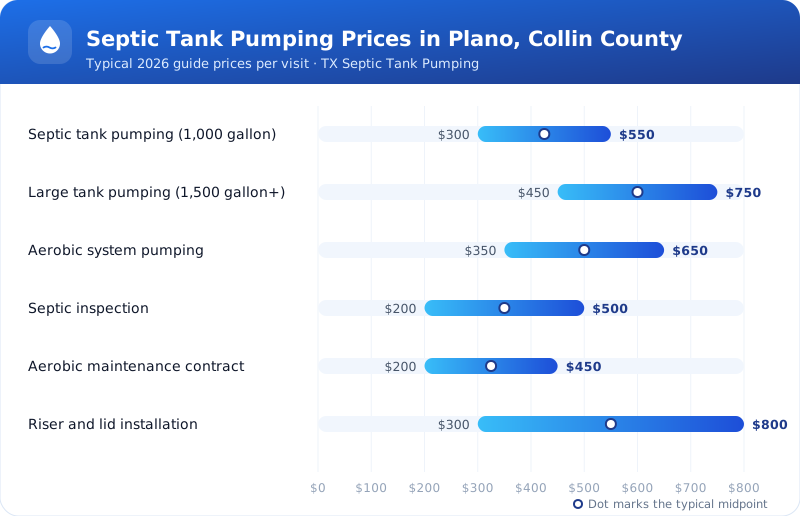
- Keep an aerobic system under contractAerobic systems need ongoing maintenance, and a yearly contract often runs from $200 to $450 in the guide range. Pumping an aerobic unit is priced separately at $350 to $650.
- Clean the effluent filter when it is dueA dirty filter lets solids reach the drain field, so ask the technician to check it during each visit.
- Spread out heavy water useRun laundry over several days rather than all at once, and fix leaks, since extra water pushes solids through the system faster.
What Not to Flush or Pour Down Plano Drains
Most early septic failures start with materials that should never have entered the system. The list below covers the most common problems. Dispose of these items through the trash or a proper collection point.
- Wipes, even ones labeled flushable, which do not break down in the tank.
- Feminine hygiene products, diapers, and paper towels.
- Cooking grease, oil, and fats poured down the kitchen sink.
- Chemical drain cleaners, paint, solvents, and pesticides.
- Coffee grounds, eggshells, and heavy food scraps, which settle into the sludge layer.
- Harsh bleach or antibacterial products in large amounts, which can disturb the bacteria that help break down waste.